
Emotional Intelligence at Work — Building Stronger Teams
Learn how EQ skills transform workplace dynamics and help you lead with greater awareness and empathy.
Read ArticleLearn how to build a sustainable meditation routine that fits your schedule, starting with just five minutes a day.
Meditation isn’t about clearing your mind or achieving some perfect state of calm. It’s actually much simpler than that. You’re training your attention — like exercising a muscle. Every time you notice your mind wandering and bring it back, that’s a rep.
The benefits show up gradually. Most people who stick with it for 4-6 weeks notice they’re less reactive to stress. You’ll find yourself pausing before responding to frustration. That space between stimulus and response? That’s where real change happens.
Don’t wait until you have 30 minutes. Five minutes daily beats 30 minutes once a month. Consistency matters far more than duration.
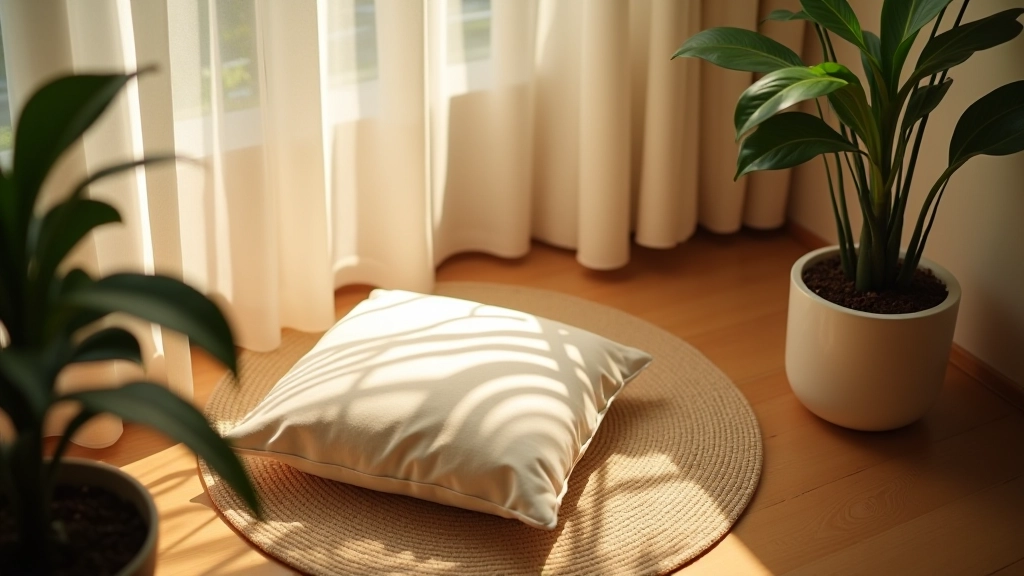
You don’t need anything fancy. A quiet corner works perfectly. If you can’t find total quiet, that’s fine too — meditation works anywhere. But having a dedicated spot helps your brain recognize it’s time to settle down.
Bedroom corner, kitchen chair, or living room floor. Somewhere you won’t be interrupted for 5-10 minutes.
You can sit on a cushion, chair, or even lie down. Comfort matters because pain will distract you.
Phone on silent or in another room. Tell housemates you’ll be unavailable for those few minutes.
This is the most straightforward approach. You’re not controlling your breath or forcing anything — just noticing it. Your breath’s always there, and it’s a reliable anchor for your attention.
Here’s what you’ll actually do: Sit comfortably, close your eyes if that feels right, and simply observe your breath. Feel the air moving through your nostrils. Notice the rise and fall of your chest or belly. When your mind wanders — and it will, constantly — you just gently notice that and return to the breath. That’s it. No judgment, no frustration.
“The goal isn’t a blank mind. It’s noticing when your mind has wandered and returning to the present moment. Each return is a small victory.”


The best time to meditate is when you’ll actually do it. For most people, that’s first thing in the morning before the day gets chaotic. But if you’re not a morning person, after lunch or before bed works just as well.
Attach it to something you already do. Right after your coffee, before you check your phone, or while the kettle boils. These habit stacks make it easier to remember. You’re not adding something completely new to your day — you’re inserting it into an existing routine.
This article provides educational information about meditation practices for general wellness. It’s not a substitute for medical advice or professional mental health treatment. If you’re dealing with anxiety, depression, trauma, or other significant mental health concerns, please consult with a qualified healthcare provider or therapist. Meditation can be a valuable complement to professional treatment, but it shouldn’t replace it.
You’ve got everything you need to start. Pick a time, pick a spot, and sit for five minutes tomorrow. Don’t wait for the perfect conditions or the right app or more information. Those things aren’t what’s stopping you — action is. The hardest part is just beginning.
After a few weeks of consistent practice, you’ll notice subtle shifts. You’ll pause before reacting. You’ll sleep a bit better. You’ll feel slightly less overwhelmed by everyday stress. These aren’t dramatic transformations, but they’re real, and they compound over time.
If you’re interested in deepening your practice or learning more structured approaches, consider exploring meditation retreats or workshops. Singapore offers excellent resources, from guided group sessions to residential retreats at places like Pulau Ubin and Sentosa where you can immerse yourself in a supportive environment.
Explore More Mindfulness Resources