Why These Two Islands Stand Out
Pulau Ubin and Sentosa aren’t the only places to meditate in Singapore. But they’re where most serious retreats happen. That’s because of what they offer — isolation without actually leaving the city, nature that feels real, and infrastructure built for groups wanting to work on themselves for a few days straight.
Pulau Ubin’s the quieter choice. It’s rougher around the edges, more forested, fewer crowds. Sentosa’s more developed — better facilities, easier access, more comfortable accommodation. Neither is “better.” It depends on what you’re after. Want to unplug completely? Pulau Ubin. Want comfort with nature? Sentosa works.
Quick Comparison
- Pulau Ubin: More rustic, dense forest, longer ferry, fewer tourists, quieter vibe
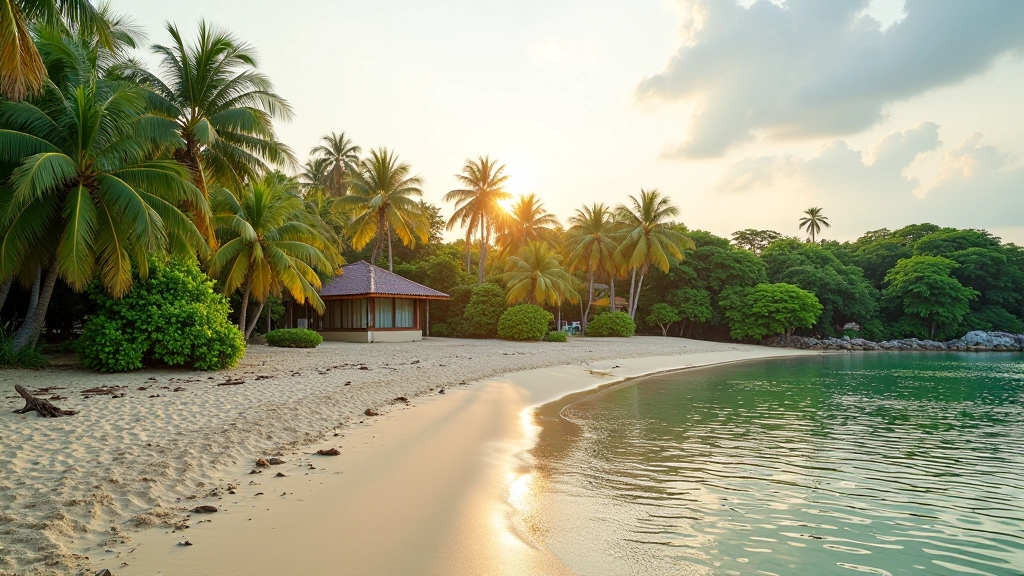
- Sentosa: Modern facilities, easier access, beach proximity, mixed crowds
Pulau Ubin Retreat Experience
Getting to Pulau Ubin already feels like the retreat’s starting. You’ll take a bumboat from Changi Point — it’s a 10-minute ride, and by the time you arrive, you’re already mentally separate from the mainland. The island itself is about 1,020 hectares, mostly undeveloped. You won’t see shopping centers or traffic. You’ll see mangrove forests, coastal vegetation, and paths that haven’t changed much in decades.
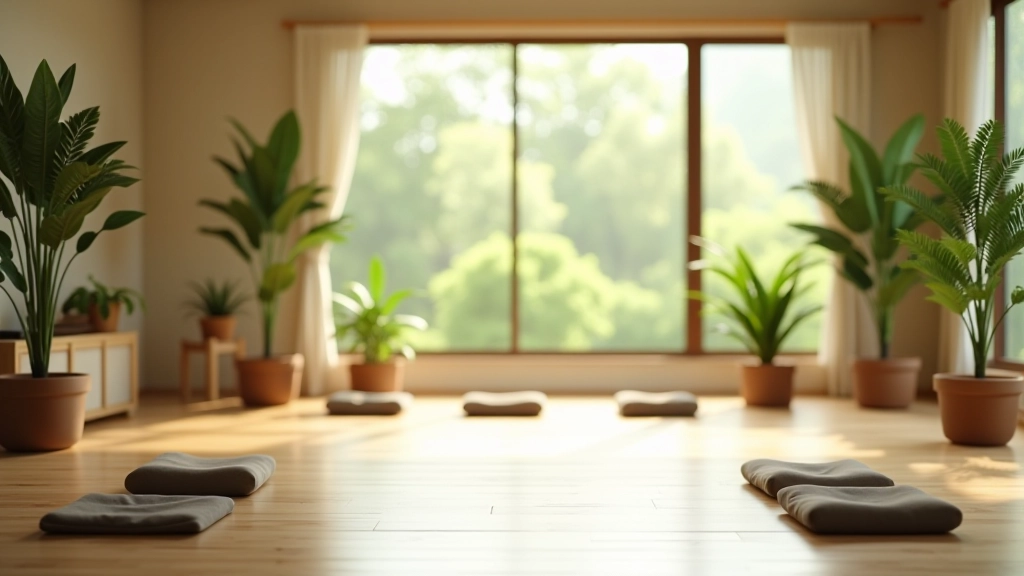
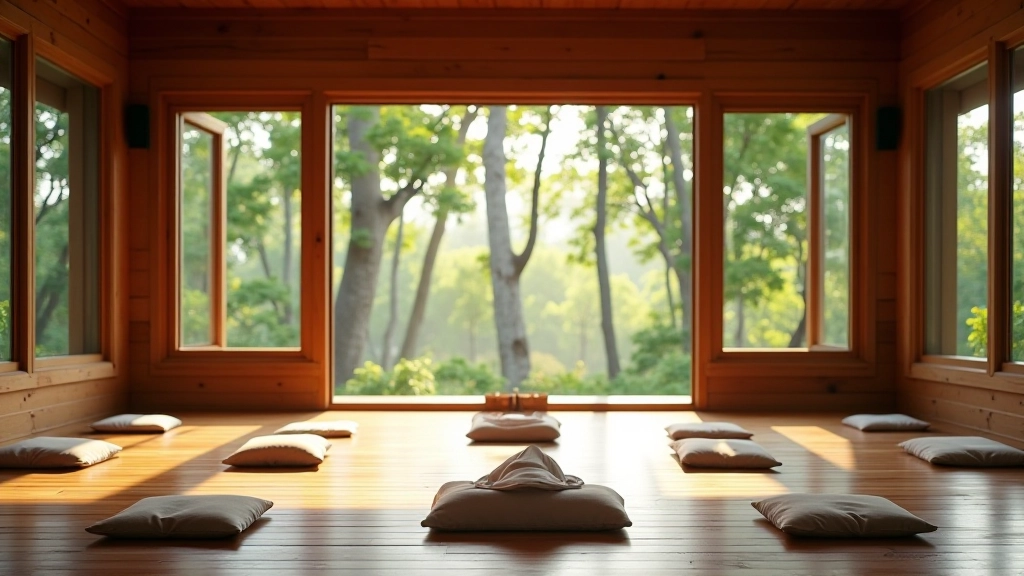
Most retreat centers here operate in converted houses or purpose-built structures tucked into the forest. Accommodation’s simple — think wooden cabins, shared bathrooms, no air-con in many places. Don’t come expecting resort comfort. Come for the quiet. Your days follow a structured schedule: morning meditation (usually 6 or 7 AM), breakfast, more meditation, lunch, free time for walking the island, evening sessions, dinner, night meditation, sleep. That’s it. No phones usually. No talking unless it’s part of the program.
Meals are typically vegetarian. Breakfast might be simple — toast, fruit, tea. Lunch’s the main meal. Dinner’s light. Water’s available everywhere. The silence can be intense on the first day. By day two or three, most people adjust. Your mind actually settles. You notice sounds you didn’t hear before — birds, wind, insects. That’s partly why people come.
What Happens at Sentosa Retreats
Sentosa’s more accessible. You don’t need a ferry. The facilities are modern — air-conditioned rooms, proper beds, hot showers, sometimes even pools. If you’ve never done a retreat and you’re nervous, Sentosa removes one barrier. You’re comfortable physically, which lets you focus on the mental work.
Retreat centers at Sentosa tend to offer more variety. You might get a choice between different meditation styles, optional yoga classes, sometimes talks on Buddhist philosophy or mindfulness psychology. Meals are still vegetarian usually, but there’s more selection. Accommodation ranges from dorm rooms to private suites depending on the program you book.
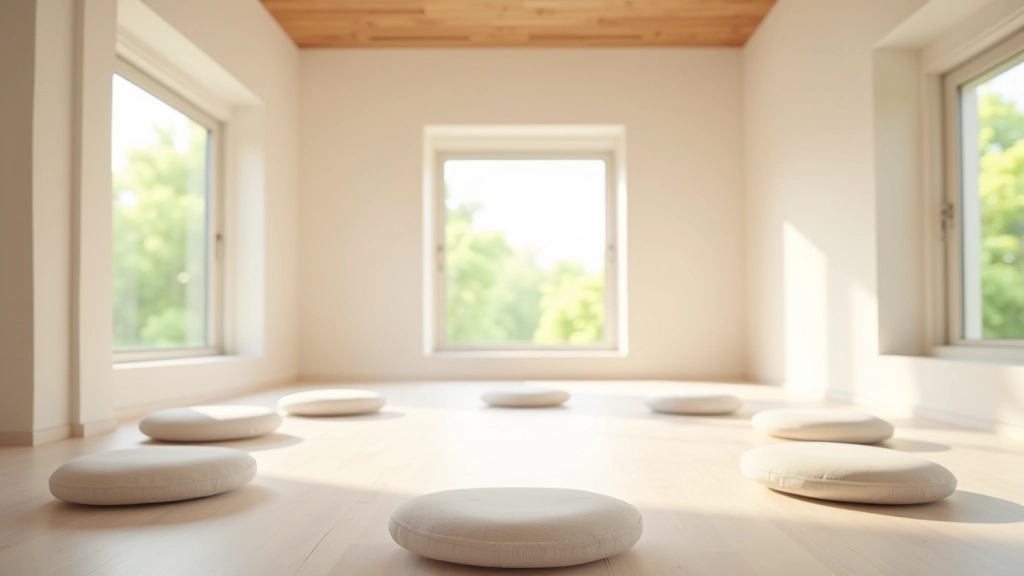
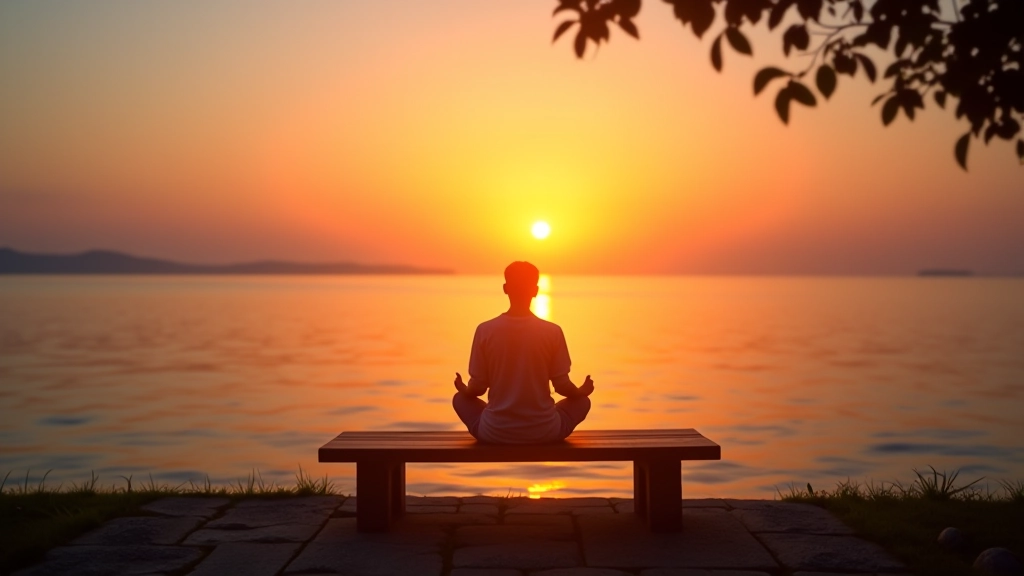
The schedule’s similar to Pulau Ubin — early starts, structured meditation blocks, meals, free time. But at Sentosa you might have the option to walk the beach instead of forest trails. Evening programs sometimes include group discussions or walking meditation on the beach at sunset. It’s still serious practice, just with slightly more creature comforts.
Important Note
This article is educational and informational. It describes general retreat experiences and doesn’t constitute medical or psychological advice. Meditation can bring up difficult emotions. If you have a history of trauma or mental health conditions, discuss meditation retreats with a healthcare professional before attending. Different retreat centers have different structures, teachers, and approaches. Always research the specific program and organization before committing.
What You’ll Actually Do Each Day
Most retreat schedules follow a rhythm that’s surprisingly consistent. You’ll wake early — many centers have a gong or bell at 5:30 or 6 AM. Breakfast’s between 7 and 8. First meditation block usually runs 2-3 hours with breaks. It’s not nonstop sitting. You might do 20 minutes of meditation, then 10 minutes of walking meditation, then another 20 minutes sitting. Teachers explain techniques and answer questions during breaks.
Lunch is the biggest meal — it’s vegetarian but hearty. You’ll eat in silence usually, though some centers allow talking. Afternoon’s free time mostly. Some people rest, some walk the island, some sit on the beach. This isn’t a vacation though. You’re meant to keep practicing — either meditating alone or just being present with what’s around you.
Evening meditation’s lighter usually. Maybe an hour total. Then dinner — simpler than lunch, sometimes just rice and vegetables. Some centers have evening talks about meditation theory or philosophy. Others just let you rest. Most places encourage early sleep. Lights out’s usually by 10 PM.
Practical Things You Should Know
Most retreats run 3, 5, or 10 days. Start with 3 if you’ve never done one. Three days is enough to settle into the rhythm without being overwhelming. Bring comfortable loose clothing — nothing tight. You’ll be sitting a lot. Bring a sweater even in humid Singapore because meditation halls can be cool. Don’t bring your phone. Seriously. Many centers collect phones on day one and return them at the end.
You’ll probably feel strange the first day. Bored maybe. Restless definitely. Your mind will jump around. That’s normal. By day two or three, your mind usually settles. You might experience unexpected emotions — sadness, frustration, sometimes joy. Don’t be alarmed. Sitting quietly lets you notice what’s always there but you’re usually too busy to see.
After the retreat, you won’t be “enlightened” or permanently changed. But you’ll probably have a clearer sense of how your mind works. You’ll have practiced sustained attention for days. That skill stays with you if you keep practicing. Many people maintain a daily 20-minute meditation at home after a retreat.
The Choice Between Pulau Ubin and Sentosa
Both islands offer legitimate retreat experiences. Neither’s objectively “better.” Pulau Ubin suits people who want real isolation and don’t mind rustic conditions. It’s deeper immersion. Sentosa suits people who want the practice without sacrificing physical comfort, or who are newer to meditation and want to build confidence in a more familiar environment.
What matters most is that you actually go. Talking about meditation isn’t meditation. Thinking about retreats isn’t doing one. Pick a program, book it, show up, and sit. The rest follows from there.